Showing posts with label birds. Show all posts

Thursday, 24 March 2016

Conservation Park on Mornington Peninsula

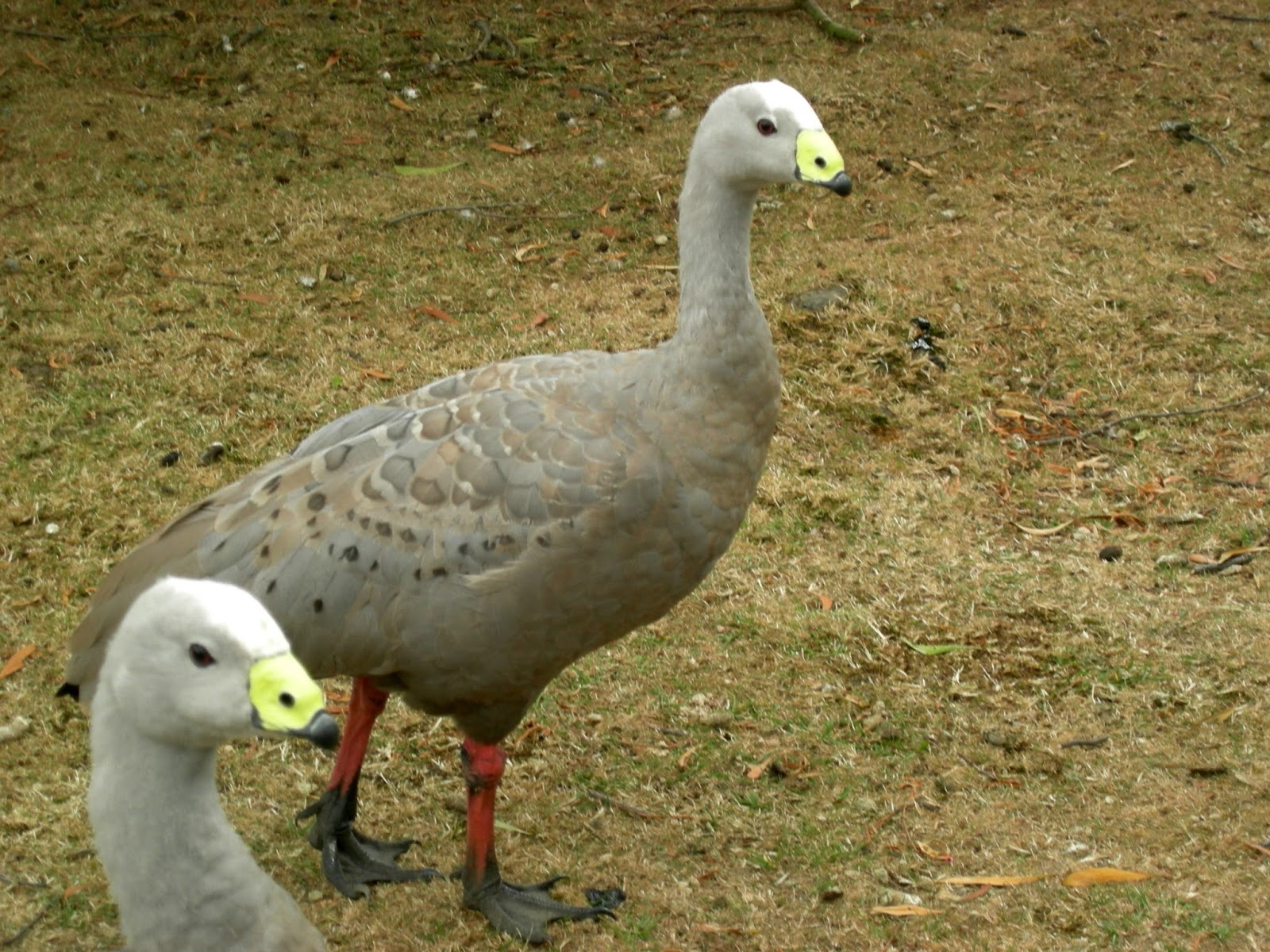
Moonlit Sanctuary is a conservation park on the Mornington Peninsula and was established by Michael Johnson who was inspired by the British Naturalist Gerald Durrell.  Michael's concept was to develop a park where people could expierence the animals that roam Australia's bushland.

From humble beginnings the Park has now grown into a very popular tourist attraction on 25 acres with wetlands, bushland and more than 30 animal enclosures.


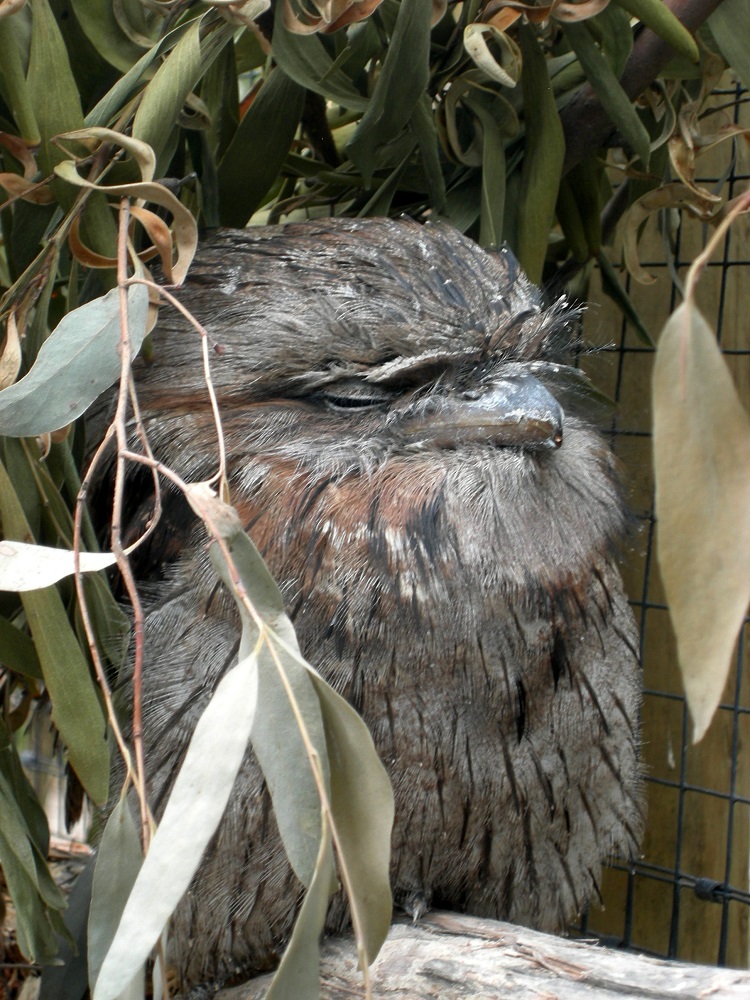
Tawny Frog Mouth


Wetlands early development

You can wander around the park and feed some of the animals and listen to a range of keeper talks. You can also book in for a range of animal experiences.


We take tours to visit the Park on the way to see Phillip Island Penguins and combining the two makes it an amazing day of wildlife experiences. We usually include a koala and dingo experience on our tours.


The koala experience is probably the most popular


The dingo experience is also great fun


The Park has a wide range of Australian animals including our favourite the Tasmanian Devil.


The Park has a cafe and is open daily from 10 a.m. to 5 p.m. You can also book a night tour, sponsor an animal or be a keeper for a day.


Monday, 7 September 2015

Stunning sunsets and much more at Port Macquarie

Port Macquarie and the surrounding area are full of natural wonders including beaches, lakes, rivers and Natural Parks.


A stunning sunset over the river at Port Macquarie

390 kilometres north of Sydney, the town is located where the Hastings River meets the ocean. Besides the River and other waterways Port Macquarie has a range of beautiful beaches and average temperatures ranging from 7 to 27 degrees. These all ensure its a popular holiday area for fishing, surfing, beach and nature lovers alike. 


 We visited in August and enjoyed mild days of 22 degrees allowing us to fish in the River, explore the rainforest and visit a number of beaches including Town Beach, Flynns Beach, Shelly Beach and Lighthouse Beach. 

Here's a snapshot of some of the activities to enjoy if you visit the area.

Sea Acres Rainforest Centre


Located a short distance south of Port Macquarie the Sea Acres Rainforest Centre is certainly worth a visit.


With a 1.3 kilometre boardwalk meandering through the rainforest the Centre is suitable for people of all ages.  Its also possible to spot wildlife along the boardwalk. We were luck to observe a bush turkey building its nesting mound and a small and large lace monitor. Birds can be heard in the surrounding rainforest and the sound of the whip bird  was a pleasing and regular occurrence. 


Lace Monitor

There is an amazing Aboriginal exhibit downstairs at the Centre called the "Spirit of the land exhibition". Hearing and seeing the 2 Birpai Aboriginal stories told via sand drawings was totally fascinating and well worth the gold coin entry fee. 

A cafe and souvenir shop is also located at the Centre.

Lighthouse Beach

A short drive south of Port Macquarie Lighthouse Beach is a 9 kilometre stretch of beach with Watonga Rocks sitting on the sand part way along the beach.


Lighthouse Beach from the Lighthouse

The beach is popular with surfers and at the southern end camel safaris and 4wd's share the sand.


Tacking Point Lighthouse 

The beach is named after Tacking Point Lighthouse  which is the 3rd oldest lighthouse in Australia,  built in 1879, after more than 20 ship wrecks occurred in the area. 

A number of viewing platforms have been built in the area around the lighthouse as its a great place to watch for whales as they travel along the coastline. Spotters for the whale watching boat tours are often seen at the lighthouse directing the boats to areas where whales are frolicking in the waters near the point.


A whale frolicking off Lighthouse Beach


Chinese Junk Cruises

For an interesting experience try a sunset cruise along the Hastings River in an authentic Junk.


There's also a lunchtime fish and chips cruise where I'm told dolphins are often spotted.


Ellensborough Falls


If you love waterfalls and don't mind driving a longer distance Ellensborough Falls is located in Manning Valley at Elands approx 85 kilometres west of Port Macquarie. 

The falls are one of the longest single drop waterfalls in the southern hemisphere and are easily viewed from the car park area. 

There is a short walk to the head of the falls or you can walk down more than 600 steps to view the falls from the bottom. 


A kiosk is located in the car park area but only open on Fridays, weekends and NSW school holidays from 10 a.m. - 4 p.m.

Other useful information

Port Macquarie beach guide

Beach safety in Australia


Saturday, 23 August 2014

Eurobodella Regional Botanical Gardens

A short drive from Batemans Bay the Eurobodella Regional Botanical Gardens are a great way to spend a couple of hours. Entry is free and the Gardens are a wonderful combination of natural bushland and manicured gardens. The gardens are set up to allow wheelchair and pram access which makes it a great place for everyone to visit. 


You can enjoy a range of walks from easy to medium with the longest around 2 kilometres. There's a forest walk track which wanders through natural bushland and along the edge of a weir. 


Forest Track


A kangaroo in full flight


The weir

The Aboriginal Heritage Walk was interesting and educational. As an example the black wattle (bidhudhu) signalled  that the blackfish would be biting. Like many ancient cultures they used plants as medicine and food. and from what we've learnt about aboriginal culture and their love and care of country (the land) we think they have always been amazing environmentalists.


Black Wattle


Bird life was amazing: we heard lots and saw a range of the birds they mention are in the gardens. 


Kookaburra


We ended our visit enjoying a coffee at the cafe where this bird paid us a visit.


Wednesday, 6 August 2014

Potato Point isolated beach, wildlife and much more than the name suggests!

Potato Point is located on the South Coast of New South Wales a 6 kilometre drive from the town of Bodalla which is famous for its cheese. 

Surrounded by the Eurobodalla National Park, Potato Point is a fairly isolated spot mainly populated by wildlife and holiday homes.


Kangaroos grazing on the beach front

There are a number of small beaches were you can enjoy an isolated walk, surf, fish or swim. We stayed at an eco friendly caravan park right on the beach which was solar powered and provided wood so we could light a fire in the fireplaces scattered throughout the park.

Friendly kanagroos grazed on the beach front and in the grasslands, no doubt moving back into the shelter of the National Park in the night.


You can take a long walk along the beach at the front of the caravan park to an inlet overlooking Tuross Head which is much larger as around 2,200 people live. There are fantastic views from this point across to the nearby mountains.


The August days were sunny but it was freezing at night so a fire was welcome!


We were lucky to spy a pod of dolphins frolicking in the ocean near our camp site and kookaburras also came to visit which topped off a short stay in this lovely location.


Saturday, 3 May 2014

Tower Hill - inactive volcano

Tower Hill is an inactive volcano located south west of Melbourne a short distance from Warrnambool and Port Fairy.  The area was originally inhabited by the Koroitgundidj people who lived in the area of Tower Hill since before recorded history.


Tower Hill

More than 30,000 years ago violent explosions formed the shallow crater where the lake lies and further eruptions created the islands and cone shaped hills that now house the Tower Hill Wildlife Reserve.

Artefacts found in the volcanic ash prove the Koroitgundidj people lived there at the time of the explosion. After the explosion the fertile soils produced a diverse range of vegetation including Manna Gum, Blackwood, Black Wattle, Swamp Gum and Drooping Sheoak. The area was rich with birds and wildlife.


Emus

In 1802 French explorer Captain Baudin led the first confirmed sighting of Tower Hill by Europeans. Following European settlement much of the vegetation was cleared for farming and quarrying.  In 1892 Tower Hill became Victoria's first National Park but environmental damage still continued until it was made a Game Reserve in 1961.


The view painted in 1855 by Eugene von Guerard

In 1961 revegetation of the area began using an 1855 painting by Eugene von Guerard.  Much of the wetlands dry up during drought times but today the area is once again rich with bird life and wildlife making it a great place to visit and take nature walks.


Worn Gundidj Visitor Centre

The visitor centre is operated by Worn Gundidj which was founded in 1992 as a not for profit organisation to foster traditional art and nature based tourism. At the visitor centre you can enjoy the cultural displays and buy Authentic Aboriginal Products. 

The centre is open Monday to Friday 9.00 am - 5.00 pm and weekends and public holidays 10.00 am - 4.00 pm.

You can also do a self guided walks in Tower Hill or join a range of tours conducted by the traditional owners. 

Join us on a private 1, 2, 3 or 4  day Great Ocean Road tour to see this amazing area


Sunday, 9 February 2014

Phillip Island Nature Parks

Phillip Island Nature Parks was established to conserve the natural beauty and historic and archaeological history of Phillip Island. 

The Park is part of the UNESCO Western Port Biosphere Reserve with wetlands, woodlands, wildlife sanctuaries and coastal areas. The area is rich in bird life with significant populations of little penguins, shearwaters and hooded plovers and wildlife including koalas, swamp wallabies and Australian fur seals.


Swamp Wallaby

The Park Service manages a number of tourism attractions including the Penguin Parade, Koala Conservation Centre, the Nobbies and Churchill Island Heritage Farms.  The profits generated are used to invest in conservation, research, ecotourism, environmental and education initiatives within the Nature Parks. 

The most cost effective and best way to enjoy the range of activities of the Nature Park is to purchase a 3 Parks Pass as it allows you to attend the Penguin Parade, visit the Koala Conservation Centre and learn about Victoria's early farming history on Churchill Island Heritage Farm.


Penguin Parade

Most people are drawn to Phillip Island to see the iconic Penguin Parade where you can watch the little penguins make their way across the beach heading towards their nesting areas after spending their day hunting in the ocean.


This is a fascinating experience as you watch and wait in anticipation of the sun setting and the little penguins arriving. It often feels like they will never come and then it seems that a sole little penguin emerges from the sea. Maybe this is a scout as shortly others follow. Sometimes they stop and some will scurry back as if they are too frightened to leave the ocean but slowly crowds of them appear and wander into their nesting areas.

At one stage you could sit on the beach in the evening and the penguins would wander past quite close to you.  It was an amazing experience, but as crowds grew the need to protect the penguins and their habitat meant viewing platforms and walkways were constructed. 

Today there are a range of experiences that you can purchase including having a Park Ranger guide you to a private area to view the penguins on the beach (Ultimate Experience) or enjoying the penguins in the comfort of a Sky Box (VIP Experience) where you'll also have fantastic views across the beach and help the Ranger count the penguins as they return for the night. Another option is the Research Tour where a Ranger shows you how researchers collect data and you'll see the weigh bridge where penguins that cross are weighed. You'll also visit the Sky Box before seeing the Penguin Parade from front row seats at the Penguins Plus viewing area.

You can download a free Penguins App which provides interesting insights into the penguins, statistics on their return from the ocean, pictures and a game. 

Koala Conservation Centre

At the  Koala Conservation Centre you can wander along an elevated boardwalk and see these amazing furry mammals in their natural habitat. You can get fairly close and sometimes you may be lucky if one climbs down the trees and settles very close (like the one in this picture). 

You may also see  koalas with a joey (its baby) clinging to its mother. Rangers wander the board walks during the day providing you with an opportunity to ask questions about the koalas and their habitat.

The Visitor Centre is interactive and you can learn all about the koala and purchase gifts from the gift shop.


The Nobbies 

The Nobbies Centre showcases Australian fur seals and the marine life of the Southern Oceans.  From the centre and board walks you can look across to Seal Rocks; a breeding ground for over 20,000 Australian Fur Seals.  

There are binoculars set at strategic points where you can get a closer view across to the Rocks. 

If you want to see the Seals up close its a good idea to organise a boat tour of Seal Rocks from a range of operators. 


Entry to the Nobbies is free and there is a large cafe. information centre and gift shop.


Churchill Island Heritage Farm

Churchill Island Heritage Farm provides insights into what life was like living on a farm in the early 1900’s.  The 57 heactare Island was originally inhabited by the Bunurong people with the first European inhabitants finding remains of canoes and fires.

European settlement started when Lieutenant James Grant sailed the Lady Nelson to the island in 1801. He planted seeds he'd been provided, felled trees and built a hut making this the first European agricultral pursuit in Victoria.


The farmhouse has been beautifully restored and furnished with antiques. There are also a range of interesting outbuildings that give the impression that you’ve travelled back through time. 


You can see a range of farm animals and experience some of the farm activities like shearing, whip cracking and wagon rides.

There are also beautiful views across to the mainland. For more information see our blog on Churchill Island Heritage Farm


Sunday, 12 January 2014

Wildlife on Tour part 2

Swamp Wallaby

The Swamp Wallaby is a small and shy macropod marsupial found in eastern Australia. They're generally loners but will often eat in groups. That's certainly the way we observe them on Phillip Island.  


Like the kangaroo the swamp wallaby carries its young in a pouch. The joey will stay in the pouch for 8 - 9 months and continues to suckle until its around 15 months old.


Swamp Wallaby
Peafowl

Often referred to as peacocks these birds are collective known as peafowl. The male is a peacock and the female a peahen. 


Peafowl love to wander around during the day but at night they like to roost in tall trees for safety.


A majestic pose by this pea fowl on Churchill Island

In Australia peafowl breed in the middle of summer and peacocks fan their decorative feathers in a shimmery dance of courtship. They also display these as a defensive action if  threatened.


Peahens lay up to six eggs per year and the peahen will sit on the nest often with other nesting penhens nearby. When the eggs hatch the chicks have well formed wings and will roost with its mother on a perch fairly quickly.

We see these beautiful birds on Churchill Island and in the Dandenong Ranges. Unfortunately rarely do we get a chance to see them displaying their feathers.

Emus

The Emu is a fascinating bird it's large and flightless bird and can run extremely fast. They have 3 toes and long legs and can be quite dangerous. At 1.5 to 2 metres tall they weigh on average  36 kilograms. Emu's feed on grass, leaves and small insects. They live all over Australia in grasslands.


Emus in Flinders Ranges

Emu's breed in pairs during the summer months of December and January. The females court the male and become more aggressive than males during the courtship phase.   They will mate every day or 2 and every second or third day the female lays one egg. They will lay on average 11 very large dark green and thick-shelled eggs.  The male incubates the egg on the nest which takes 56 days.  The female will sometimes defend the nest or wander elsewhere. Newly hatched chicks are active and can leave the nest within a few days.

We see Emu's in captivity at Healesville Sanctuary but in the wild we come across them in the Grampians and many places whilst travelling in the outback.

Kookaburra

"The kookaburra sits on the old gum tree......" are the words of an Australian nursery rhyme about the kookaburra the largest kingfisher in the world. Known as guuguubarra by the Wiradjuri (Indigenous people)  the name imitates their call and was translated by Europeans to kookaburra. 

They are found right along the east coast and after being introduced to Western Australia in 1898 the kookaburra is also now found in the south west corner of WA


Their laughter is a pleasant sound heard in bushland and some suburbs.  They eat mice, snakes and small reptiles but can be seen stealing food from picnickers in some areas. For instance this was a constant concern when we travelled around Fraser Island.


Sulphur Crested Cockatoo


The Sulphur Crested Cockatoo is an inquisitive and friendly bird and are sometimes kept as pets and taught to ‘talk’. Their white feathers, yellow crest, large black bill and stately walk make them instantly recognisable. 

This Cockatoo is native to Australia, Indonesia and Papua New Guinea. 

\

Sighted in the Grampians


Performing at the Spirits of the Sky show at Healsville Sanctuary

We see the Cockatoo in many places when we're touring.

Parrots

We see a range of parrots whilst on tour. Some are in the wild like the Crimson Rosella and King Parrots we come across along the Great Ocean Road and in the Dandenongs.


Crimson Rosella


King Parrot

Others like this pair are found in the Land of the Parrots exhibit at Healesville Sanctuary where you can hand feel some of the smaller parrots and hear from experts about these colourful birds. You'll see the endangered Orange Bellied Parrot, Regent Parrot and one of my favourite the Red Tailed Black Cockatoo.


Parrot is a common name for birds that belong to the Order Psittaciformes and include cockatoos, parrots, rosellas and lorikeets. These birds love to eat seeds and a number also feed on fruit, nectar and larvae from wood boring insects.


Tasmanian Devil

The Tasmanian Devil is the largest carnivorous marsupial and currently an endangered species. The Devil could once be found on mainland Australia but since pre-European times was confined to Tasmania.

The survival of Tasmanian Devils is threatened by Devil Facial Tumour Disease which causes tumours around the mouth, face and neck.  The disease develops rapidly and is fatal with affected animals dying within six months of the lesions first appearing. 
Unfortunately this cancer is highly is contagious and spread by biting during feeding and mating.  Its estimated that the cancer has spread across more than 60% of Tasmania and has caused a rapid decline in wild Devil populations.


Healesville Sanctuary is one of a number of Zoos that is participating in the Save the Devil Program. At the Sanctuary they breed and manage a disease free population. You'll find lots more information by visiting their enclosure at the Sanctuary including a display of all the Devils that have been born at the Sanctuary since the program began. One thing that fascinated me is that they all have unique markings and the display includes the name and markings of each animal.


At Longhorn YOUnique Tours we've become Extinction Fighters adopting a Tasmanian Devil. You can adopt an animal too for more information see Healesville Sanctuary's website.


We see the Tasmanian Devils at Healesville Sanctuary but you can also see them at  Moonlit Sanctuary and Conservation Park on Mornington Peninsular.