Showing posts with label nationial park. Show all posts

Sunday, 1 April 2018

Waterfalls in the Otways

Whilst the Great Otways National Park is commonly known for its vast stretches of rugged coastline and amazing surf beaches  it is also the home of an ancient temperate rainforest. The Otways are a wondrous place to visit with countless waterfalls that always flow due to the unusually high year-round rainfall of the region.


Triplet Falls

Arguably the greatest of these waterfalls is Triplet Falls, where you can see the 3 cascades from multiple viewing platforms. The falls are reached by taking a 1.8km circuit starting from the carpark. The walk, whilst not hard, does contain a number of steep sections of steps and will take around an hour to complete. It is recommended to take the path on the left as this provides a lovely walk through the ancient forest of towering Mountain Ash trees before you will reach the lower cascades viewing platform followed by the main falls.


Sabine Falls

Second on the list would have to be the ever impressive Sabine falls which holds the title of the tallest waterfall in the park, coming in at a massive 130 meters tall. The trek out to the falls takes around 2+ hrs return and is of a moderate difficulty, it includes some fairly steep sections and 2 creek crossings. The walk heads off from the carpark towards the historic Henry's Sawmill site #1 where you can see some great relics from the 1920s and then continues on from here, it is well signed at this point. The rest of the track whilst steep and mostly made up of stone cut steps is fairly easy to follow as there are no turn offs so you shouldn't get lost along the way. The walk whilst hard is well worth it to trek through the amazing cool temperate rainforest and has the possibility to spot the endangered Otway Black Snail. All up even though it is one of the longer walks it is definitely well worth it and should be on your list if you're heading to the area.


Erskine Falls


Next on the list and probably the most popular in the National Park is Erskine Falls. These falls are extremely close to Lorne making them so easily accessible.  The main reason why these falls are popular with visitors is due to its large 30 metre drop, providing an amazing cascade to the rock pool below even when there is just a trickle of water. The falls can be seen from a viewing platform just a short 5 minute walk from the carpark. To truly admire the falls it is recommended to head down the path and walk down to the bottom of the falls. The walk will take around 20 minutes return and whilst it is quite short, the steep nature of the terrain and around 240 steps make it quite strenuous walk. Along the way you can admire the beautiful tree ferns and tall trees that surround the falls.

Coming in forth on the list is the commonly overlooked Beauchamp Falls, whilst slightly smaller than Erskine Falls at around 20 metres tall it is still well worth a visit if you are in the area. It is accessible via a somewhat strenuous 3 km walk which treks through a lush forest of Mountain Ash, Blackwood, Myrtle Beech and ferns. The walk should take around 1-1.5 hours to complete and has steps in places that can be quite slippery if it has been raining.


Hopetoun Falls

To round out the list we have Hopetoun Falls, another breathtaking 30 metre tall waterfall. There is a wheelchair accessible viewing platform 30 metres from the carpark, however for those able to it is suggested that visitors head down the 200 odd steps to see the waterfall up close.  The trip down to the falls is around 1 km long and should take roughly an hour to complete.

Whilst we’ve highlighted a number of waterfalls  the National Park is home to a variety of fantastic walks through beautiful temperate rainforest and there are  more hidden waterfalls than those featured here.


Sunday, 12 June 2016

Southern Ocean sculpts Australian Coastline

The Southern Ocean is the southern most waters of the world’s Oceans with deep waters mainly at depths of 4,000 to 5,000 metres.  The Ocean is notorious for having some of the strongest winds and largest waves on the planet. It is also home to the largest current in the world ocean, the Antarctic Circumpolar Current.


Waves crash into the Southern coastline
  

Australia’s southern coast is at the northern end of the Southern Ocean and the coastline is subjected to high energy waves which constantly batter and shape the area into stunning formations. 


The battering waves create small fissures in the rock and over time cracks form or caves are formed  that extend inland. The land is eroded due to the contant wind, rain and waves and structures like the 12 Apostles, Bay of Islands, the Grotto and Loch Ard Gorge are separated from the mainland.


  1.  Wave crashes through a crackline in the coastline

The Grotto


Razorback

Saturday, 23 August 2014

Eurobodella Regional Botanical Gardens

A short drive from Batemans Bay the Eurobodella Regional Botanical Gardens are a great way to spend a couple of hours. Entry is free and the Gardens are a wonderful combination of natural bushland and manicured gardens. The gardens are set up to allow wheelchair and pram access which makes it a great place for everyone to visit. 


You can enjoy a range of walks from easy to medium with the longest around 2 kilometres. There's a forest walk track which wanders through natural bushland and along the edge of a weir. 


Forest Track


A kangaroo in full flight


The weir

The Aboriginal Heritage Walk was interesting and educational. As an example the black wattle (bidhudhu) signalled  that the blackfish would be biting. Like many ancient cultures they used plants as medicine and food. and from what we've learnt about aboriginal culture and their love and care of country (the land) we think they have always been amazing environmentalists.


Black Wattle


Bird life was amazing: we heard lots and saw a range of the birds they mention are in the gardens. 


Kookaburra


We ended our visit enjoying a coffee at the cafe where this bird paid us a visit.


Wednesday, 6 August 2014

Potato Point isolated beach, wildlife and much more than the name suggests!

Potato Point is located on the South Coast of New South Wales a 6 kilometre drive from the town of Bodalla which is famous for its cheese. 

Surrounded by the Eurobodalla National Park, Potato Point is a fairly isolated spot mainly populated by wildlife and holiday homes.


Kangaroos grazing on the beach front

There are a number of small beaches were you can enjoy an isolated walk, surf, fish or swim. We stayed at an eco friendly caravan park right on the beach which was solar powered and provided wood so we could light a fire in the fireplaces scattered throughout the park.

Friendly kanagroos grazed on the beach front and in the grasslands, no doubt moving back into the shelter of the National Park in the night.


You can take a long walk along the beach at the front of the caravan park to an inlet overlooking Tuross Head which is much larger as around 2,200 people live. There are fantastic views from this point across to the nearby mountains.


The August days were sunny but it was freezing at night so a fire was welcome!


We were lucky to spy a pod of dolphins frolicking in the ocean near our camp site and kookaburras also came to visit which topped off a short stay in this lovely location.


Wednesday, 25 December 2013

Perth for free

Perth is the capital city of Western Australia and located on the shores of the Swan River. With a population of approx 1.9 million people the city is a vibrant centre of activity particularly for the resources industry.

Whilst there are many beautiful beaches to enjoy nearby this blog focuses on other activities that you can do for free. 


Art Gallery of Western Australia

The Gallery houses the State Art Collection which includes Western Australian art, Modern British Art an Indigenous Art.

The Gallery also hosts a range of exhibitions. Before visiting you should check that no fees apply to these.

The Gallery is open Wednesday to Monday 10 a.m. to 5 p.m. Closed Tuesday and Good Friday, ANZAC Day and Christmas Day. Entry is free but they do ask for visitors to leave a donation.

Western Australian Museum

The Museum displays Western Australia's natural, social and cultural history collections. 

The Museum's long term displays include a Discovery Centre, WA Land and People and a Bird Galley. There is also a program of special exhibits, events and activities. 


The Museum is open every day 9.30 a.m. to 5 p.m. closed Christmas Day, Boxing Day, New Years Day, ANZAC Day and Good Friday.  Entry is free but a $5 donation is suggested.
Using storm water recycled and harvested from Forrest Place is this water sculpture designed by Jeppe Hein. The Water Laybyrinth runs daily from 8 a.m. to 8 p.m.

Forrest Place is also the location of events and markets.
If you're interested in politics you can take a tour of Parliament House. These are run every Monday and Thursday 10.30 a.m. except on public holidays.

Kings Park Botanical Gardens


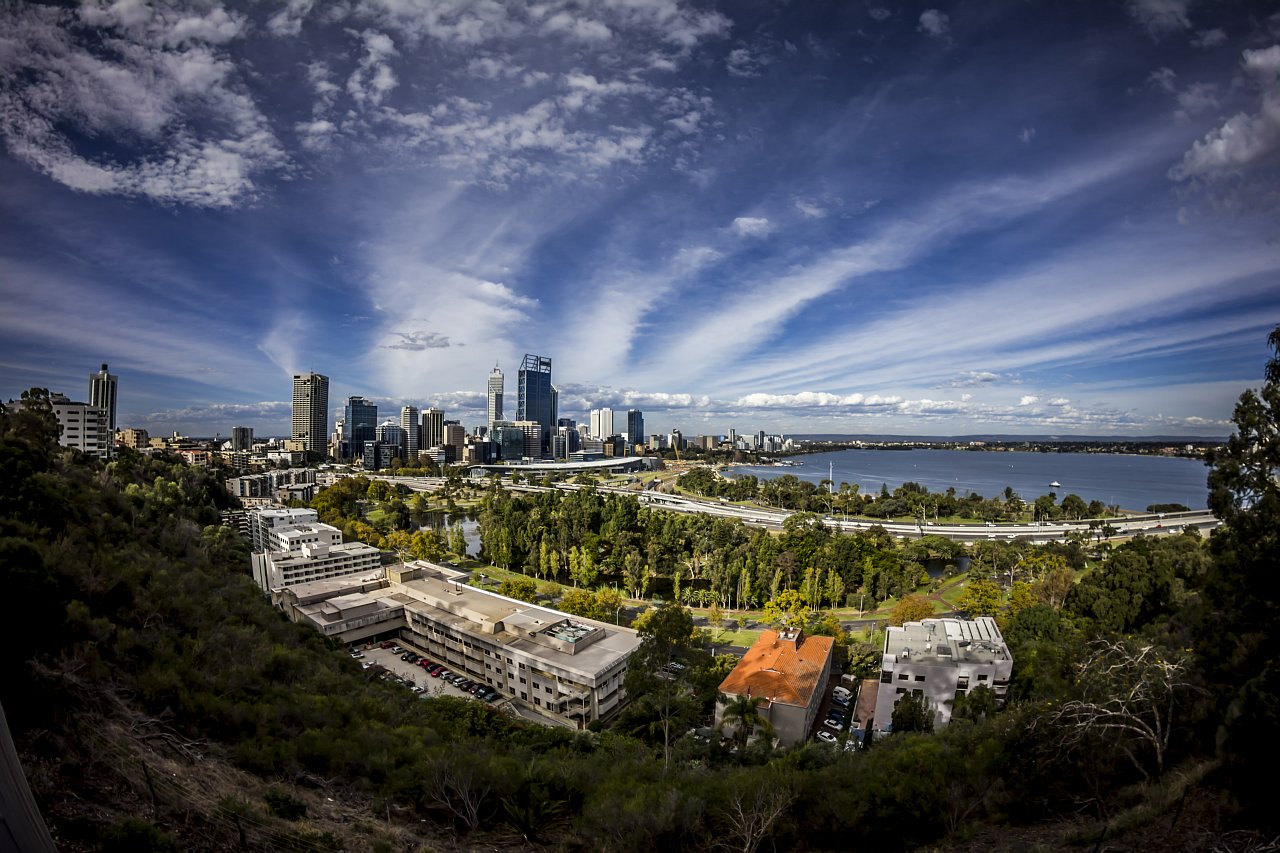
Kings Park is a 400 hectare park located right in the heart of Perth city and rich in Aboriginal and European history. Visitors can enjoy sweeping views of the Swan and Canning rivers, the city skyline or the Darling Ranges to the east. 


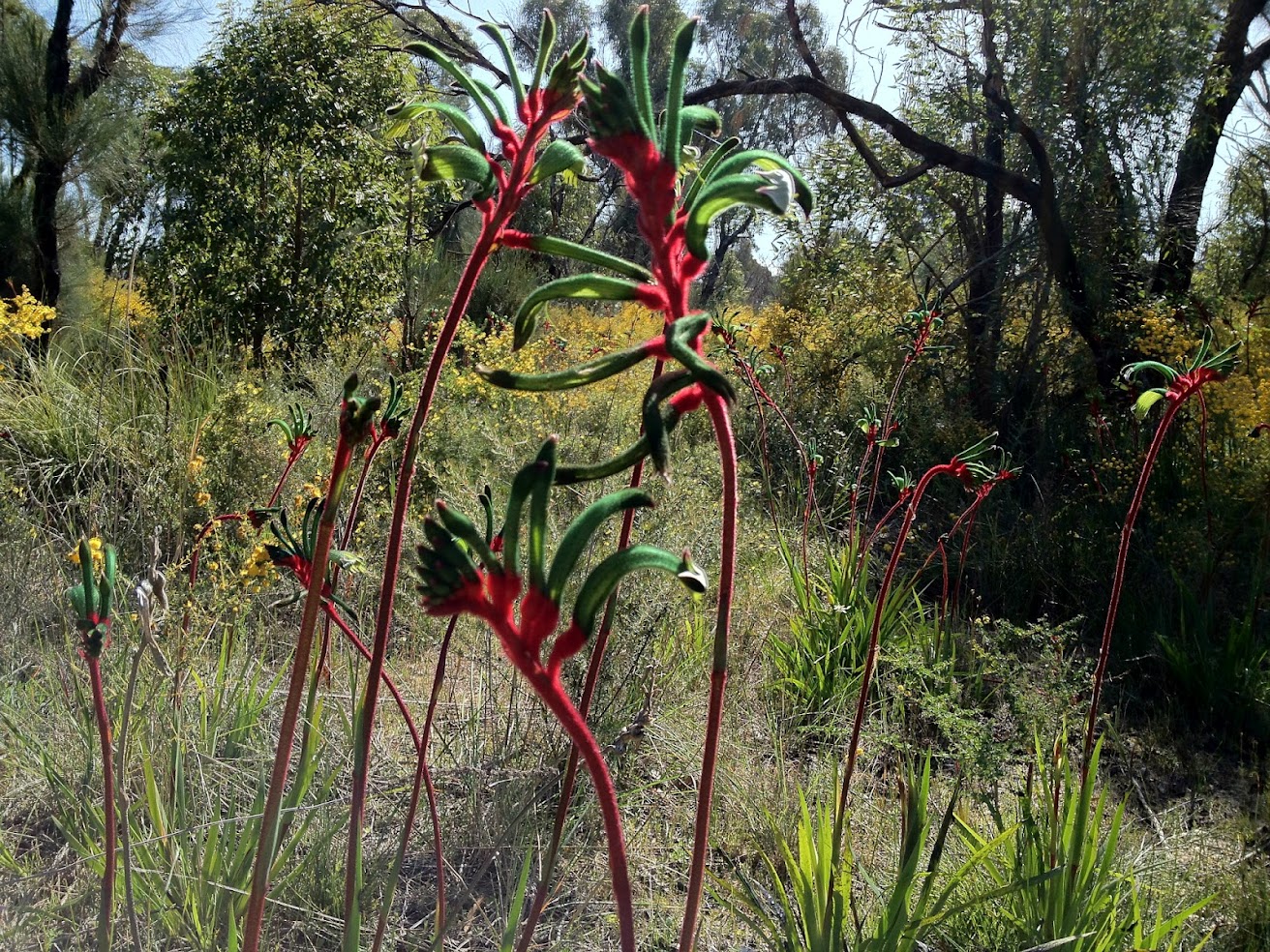
Given the size of the Park there is a huge range of activities to enjoy. You can wander the Western Botanical Garden and see more than 3,000 varieties of the State's unique flora, visit the Avenues of Honour or Kings Park Memorials and Statues area. 


Two thirds of the park is protected bushland where you can enjoy bushland walks or cycle the paths. The best views can be experienced from the DNA Tower if you want to climb its 101 steps.  


Families can visit  Rio Tinto Naturescape where children can connect with nature and learn about the WA environment or play at the Synergy Parkland  which has a 75 metre elevated walkway, island fort and large scale replicas of extinct Australian mega fauna and an interactive water misting forest. 

Other alternatives are the Lotterywest Family Area which includes a Playground and an oval for ball sports and a learn to ride bicycle path or the Saw Avenue Picnic Area  with its innovative nature based play area with the iconic Jarrah Log.


You can also enjoy a free guided walk, browse the gallery shop or enjoy a coffee in the cafe.

Bold Park

Bold Park is a large bushland area offering a wilderness experience near the coast only 15 minutes from Perth city. The Park covers 437 hectares and has over 1,000 species of flora, fauna and fungi and an abundance of wildlife including birds, reptiles, amphibians and invertebrates.


You can experience the park via a range of walking trails or cycling paths.

Burswood Park

Located about 5 minutes drive from the city of Perth Burswood Park is a unique parkland where you can see a range of indigenous birds and water fowl.


The Lake is the centrepiece of the Park with  Swan Fountain a stunning sculpture of black swans within its shores.  There are a number of riverside walks, recreational trails and picnic areas to enjoy. 


You can also take a free guided walking tour of the park which focuses on Western Australia's history, flora and fauna.

Whiteman Park

A natural bushland park located approx 25 minutes from Perth city on the doorstep of the Swan Valley.  There are bush walking trails, complete with interpretive notes and walking and cycling paths.   Perfect for children of all ages are the shaded playgrounds and a mini water playground with a wading pool, water spouts, soft fall surrounds and shade areas.  The park also includes picnic areas, BBQs and a cafe.

A range of other attractions are also located at the park. Some with entry via donation and some you need to pay an entry fee. These include transport related museums,a wildlife park and a range of shops. 

You can also take a free tour by jumping aboard the vintage Whiteman Park Explorer bus.


Saturday, 21 December 2013

Darwin for free

Darwin is the capital city of the Northern Territory a sophisticated city that retains its relaxed charm.  Here are some ideas of what to do in Darwin for free.


Mindil Beach

Mindil Beach is Darwin's most popular beach and an amazing place to be at sunset or sunrise. Mindil Beach is the location for many celebrations including Territory Day with its stunning fireworks and the Darwin Beer Can Regatta. 


The beach is also the site of the famous Mindil Markets where you have an opportunity to enjoy the balmy Darwin evenings and taste an amazing selection of cuisines or browse the large range of art and craft stalls.


The market is held in the dry season on Thursday evenings 5 p.m. to 10 p.m. and Sunday from 4 p.m. to 9 p.m. 

Leanyer Recreation Park   

Located on Vanderlin Drive, Leanyer this Park is an amazing place for family fun. The Park has 3 massive water slides, a water park, water playground and swimming area. There is also a playground, skate park and a half basketball court.

You can enjoy a picnic, cook a BBQ on the free BBQ plates or eat in the Cafe.

George Brown Darwin Botanical Gardens

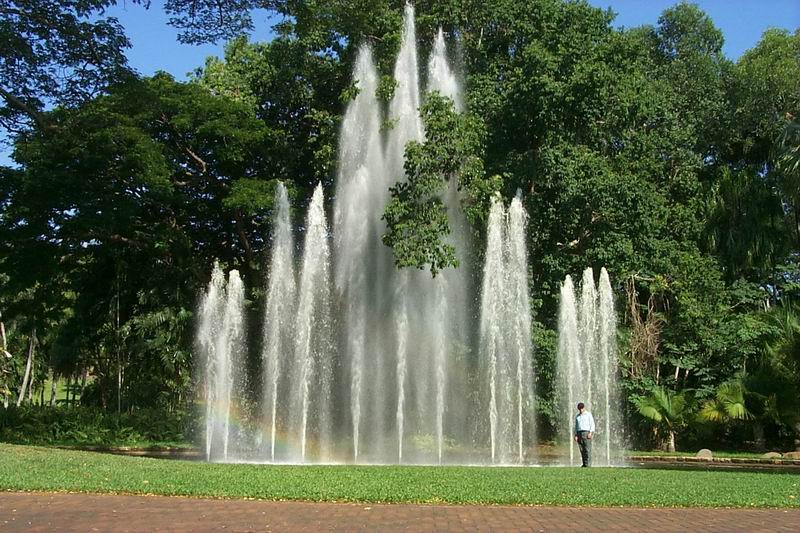
Surviving the attacks on Darwin during the 2nd World War and the ravages of Cyclone Tracy the Gardens include marine and estuary plants, North Australian monsoon flora and a range of other tropical plants.


The Gardens are located in the Fannie Bay area and open every day 7 a.m. and 7 p.m.

Charles Darwin National Park

A relatively new Park located in an area of cultural significance to the Larrakia people who used the land for thousands of years as evidenced by the shell middens found in the Park.

The Park includes picnic grounds, walking and cycling tracks and a WWII display centre showing Darwin's role in the Pacific War. The area includes bunkers and shelters used for storage between 1941 to the mid 1980's. 

The park is open from 8 a.m. to 7 p.m.

Fannie Bay Gaol

Operating as a Goal and Labour Prison from 1883 until 1979 a visit to the Goal provides macabre insights into the harsh reality of prison life. Inmates included lepers, refugees, juveniles and the mentally ill.

Exhibits also include video footage and pictures of Cyclone Tracy and the aftermath, the female prisoners section, mess area and the gallows where prisoners were executed until 1952. 

Located on East Point Road the Gaol is open daily 10 a.m. to 3 p.m. Closed Christmas Day, Boxing Day, New Years Day and Good Friday.

Northern Territory Library

The Library has a wide collection of print and electronic resources to explore in a relaxed environment. They also provide a wide range of exciting displays and events. 

Open Monday to Friday 10 a.m. to 5 p.m. and Saturday 1 p.m. to 5 p.m. but closed during Christmas.

Museum and Art Gallery of the Northern Territory

The Museum and Art Gallery includes Aboriginal, Southeast Asian and Oceanic collections featuring material and art from the Northern Territory's history.

There are also regular special exhibitions but entry fees may apply.  

The Museum is open Monday to Friday 9 a.m. to 5 p.m. and weekends and public holidays 10 a.m. to 5 p.m. Closed Christmas Day, Boxing Day, New Years Day and Good Friday.

Public Art

While I'm talking about Art there is a range of Public Art on display in the Darwin Waterfront Precinct.  The Waterfront area also has a range of hotels, restaurants, the historic Stokes Hill Wharf and is the location of many events.

Lyons Cottage

The cottage was built as the residence of the company engineer of the Australasian and China Telegraph Company and is the only surviving example of colonial bungalow architecture in the city.

The Cottage displays historical photographs and exhibits providing insights into pearling, maritime history, early exploration and the Telegraph Station.

The Cottage is now run by The Aboriginal Bush Traders and you can buy arts, crafts, clothing and gifts.


The Cottage is open Monday to Friday from 9 a.m. to 3 p.m. Saturday and Sunday 9 a.m. to 1 p.m.

Berry Springs Nature Park

The Nature Park protects part of the Berry Creek catchment area which flows into Darwin Harbour. There are a number of walking tracks through the Top End's Natural wildlife habitat where you can enjoy the birds and natural plant life.   

You can also enjoy a swim and see the weir and a number of huts that were established by the Armed Forces during the Second World War.


Berry Springs is approximately 40 minute drive south from Darwin.

Litchfield National Park

If you're travelling a little farther from the city Litchfield National Park is an easy 90 minute drive from Darwin.   I love this NP as its still unspoilt with stunning landscapes and rich in cultural history.

There are a range of areas perfect for picnicking including Grennant Creek, Tabletop Swamp, Wangi Falls, Walter Creek and Florence Falls.

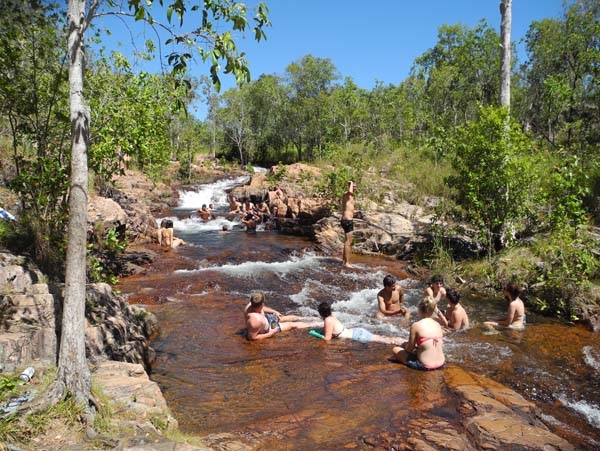
One of my favourite places is Bluey Rockhole where you can just sit and relax whilst the water washes you.


A kiosk is located at Wangi Falls.


Friday, 2 August 2013

A road less travelled .... Part 2 ..... Flinders Ranges to Marree


Today we are heading for Marree where the Oodnadatta track and the Birdsville Track meet. On the way out of the Flinders Ranges we drive through Bunaroo Gorge and Brachina Gorge.  These two gorges are fantastic examples of what nature can create if she is given enough time.


Over periods of time ranging to 600 million years ago this ancient mountain range has weathered away to leave us with some of the most magnificent scenery.The gorges and valleys are just beautiful and its hard to find the words to describe them. 


Fossils of sea creatures exist in the rock face as evidence of when this area was a sea bed.  We stopped at one of our regular spots and were incredibly lucky to be rewarded with a sighting of a yellow footed rock wallaby as he tried to hide from us on the rock face. 

Once out of the gorges we hit the bitumen and drove into Parachilna and stopped at the Prarie  Hotel for  a welcome drink. This quirky pub advertises road kill (kangaroo, wallaby and emu) on the menu!

Our next stop was Leigh Creek where we refuelled then travelled towards Lyndhurst where we planned to visit Talc Alf. Alf is an artist who specialises in carving talc stone. His works are unique and some are for sale. He is an amazing person with a wonderful philosophy on life and it would be easy to spend lots of time listening but we need to move on.


We stop at the Ochre Pits on the way and are amazed at the colours in the cliff face. The site is significant as the ochre was traded with Indigenous people from great distances for many different items. 


Next we stop at the ruins of a town called Farina. When you see the ruins its hard to believe this town was still around in 1950. Certainly makes you realise what time and the harsh outback conditions can do.


Its great to see it taking shape as a tourist attraction with great information boards and a good camp area with toilets and showers. 

From Farina Station we head to Marree and set up camp just in time to enjoy a stunning sunset and head to the hotel to enjoy a lovely meal and chat with some of the locals.


Stay tuned for more....

Friday, 23 March 2012

Grampians National Park

The Grampians are a rugged and ancient mountain range that appear to rise out of the surrounding plains. Also known as Gariwerd  the area is steeped in Aboriginal history. With a wide range of wildlife and a stunning array of wildflowers, particularly in the spring, the area is very popular with holiday makers.

You can travel to the Grampians from Melbourne via Halls Gap or Dunkeld  both of which are around 3 hours travel time.  Halls Gap is the larger town and provides the most direct access to the Grampians. It also has an extensive range of accommodation, restaurants and a range of other attractions. Dunkeld has become popular in recent years due to the Royal Mail Hotel's reputation for amazing food and accommodation. Approaching the Grampians from this direction also provides some stunning views of the mountains.


Grampians from  the  Dunkeld Grampians Road
You get a sense of how ancient the mountains are as you gaze out across the area from a number of lookouts and see the region laid out before you as if its nature's own magnificent canvas.  I particularly love visiting during the winter months and waking up in Halls Gap to see the mountains rising out of the early morning fog .

There are a number of 4WD track or you can experience the area close up by bushwalking the extensive network of walking tracks throughout the National Park. Walks range from short to multi day walks and from easy to difficult. 


The Balconies

The area is also popular for rock climbing particularly Mt Arapiles which is said to have some of Victoria's best climbs. If you're not experienced at rock climbing you can learn to climb, join a group or hire a guide.  Arapiles Climbing Guide


View across the Grampians from Barokalookout

The remains of Heatherlie Quarry are an interesting look back on the European History of the area. Many of Melbourne's great buildings including Parliment House have been built with sandstone from the Heatherlie Quarry which is listed as a site of historical significance by the National Trust.


At the Quarry you can explore wokers cottages, old equipment, railway sidings and see some of the partly quarried rock walls. 


There are a number of waterfalls in the Grampians National Park including Silverband Falls which is located a short drive from Halls Gap.  Leaving your car at the car park you can access the falls themselves via an easy walk of approx 20 minutes. The area around the falls suffered significant damage during floods in early 2011 and hopefully natural regrowth will  ensure it is returned to its former glory shortly.


Silverband Falls
MacKenzie Falls is a lovely waterfall that can be seen from a viewing platform located a short walk from the car park. You can also normally walk to the base of the falls, where this photograph was taken, via a steep staircase but access is currenlty closed due to the infrastructure suffering extensive flood damage. 


Mackenzie Falls

At the Brambuk National Park and Cultural Centre you will find the Gariwerd dreaming theatre and be able to watch a film depicting the Gariwerd Creation Story. You can also explore the interpretive displays, participate in workshops or book a tour with a Cultural Ranger .

There is also a cafe that serves bush tucker and a range of other snacks and a shop that sells a wide selction of gifts, maps, bush tucker and books. 


To the Jardwadjali and Djab wurrung people Gariwerd (the Grampians) are central to their creation stories. Recent investigations have revealed Aboriginals have inhabited the region for up to 32,000 years.


Aboriginal Rock Art
Tourism Victoria

It is also said that up to 70% of Indigenous rock art in Victoria is in this region with well over 100 sites identified. Only a few are accessible to visitors.


Aboriginal Rock Art
Southern Grampians Shire

The park has an extensive range of wildlife. One of the most popular are kanagroos and wallabies  who greet most people in the mornings as they graze in the camping grounds and areas surrounding and within the towns.  


Kangaroos in the area surrounding Brambuk


A surprise sighting of deer in the Grampians