Friday, 23 August 2013

A road less travelled .. Part 5 .... Birdsville to Bourke via Innamincka

Leaving Birdsville the next morning we headed to Innaminka; a journey of 420 kilometres which would take us around 7 hours. Our first stop was only a short distance from Birdsville at one of the Burke and Wills slash trees - a reminder of their historical journey and the site of their last camp before entering the Innamincka area. 


In 1860 - 61 Burke and Wills  led an expedition which intended to travel 3,250 kilometres across Australia south from Melbourne to the Gulf of Carpentaria in the north.   This was an ill fated journey as they both died near Cooper Creek in June 1861. To find out more search Dig a Burke & Wills research gateway.

Next stop was Cadelga Station;  once a thriving station its now in ruins and forms part of Cordillo Downs.


Next stop was Cordillo Downs Station.  This station once ran around 85,000 sheep and shearers would make the 4.5 hour journey on bicycles to work at what was the largest wool shed at the time. The owners continually struggled with drought and dingoes and in the seventies after dingoes killed virtually every lamb they moved to running cattle. 


The shed is a heritage listed monument to bygone days

We arrived in Innamincka late afternoon looking forward to exploring the surrounding area and in particular seeing more of the sights connected with the Burke and Wills expedition. There are 2 trains of thought regarding this expedition one regards them as great explorers who ran out of luck whilst the other regards Burke as "a bit of a boffin" and a political appointment ill equipped to head such an expedition.

Whichever you believe the fact remains to make a journey of that scale in those times is an incredible feat of endurance. The fact that they missed their support members by a matter of hours is just another disastrous event that affected them.

From Innamincka you can visit "the Dig Tree" where their support crew left supplies for them. Burke's grave site along with Wills are easily accessible as is the site where the rescue team found King the sole survivor in very poor health.  

The Australian Inland Mission Building at Innamincka houses a fantastic display of the history of the mission and many other facts about the history of the surrounding area.

Of course a visit to the Innamincka Hotel is also a must. The bar is full of interesting trinkets left by previous travellers and we had an amazing dinner before retiring back to camp along the Strezlecki Creek.


The creek is currently dry but last time Garry camped at its edge heavy rain turned it into a raging force during the night. This made for an emergency dash back to Innamincka with the water coming up over the bonnet of our Defender when they crossed the creek.


The next morning we followed dingo tracks on the creek bed until we reach Cooper Creek. The Cooper's many channels spread out across a vast area stretching from Queensland to South Australia. Many of these are dry most of the time but when the rains fall its waters flow into Lake Eyre.


Today we were lucky to see a number of pelicans enjoying feeding on the fish within the waters of the Cooper.

After breakfast the next day we were on our way again, this time heading to a couple of outback Queensland towns made famous in poems and songs. We stayed at Thargomindah and then travelled through Cunnamulla, the home of the Cunnamulla fella, and then onto Bourke. Along the way we saw many emus, kangaroos and wedgetail eagles. 

Bourke is said by many to be the gateway to the real outback and this is encapsulated by the saying "back o'Bourke".  The information centre houses an amazing Back o' Bourke show spanning 3 buildings each complex telling elements of the history of the area. 


The next day we returned to see the outback show which was fantastic and lots of fun. It was basically a one man show with authentic bush poetry and demonstrations of how camels, horses, dogs and bullocks were used. 


If you ever get out that way we'd recommend taking the time to see visit both the displays and the shows. Bourke also has a number of other attractions which unfortunately we didn't have time to explore.


Saturday, 17 August 2013

A road less travelled .... Part 4 .... Mungarannie to Birdsville

Leaving Mungarannie we continued along the Birdsville track and stopped at the Mirra Mitta bore which is still free flowing and can be seen in the distance from the steam that rises from the water. 


There are signs warning travellers that the water is hot and its interesting to see the vegetation that grows on the other side of the bore.

From there we drove through a range of landscapes from stony desert to rolling sand dunes. We stopped to shield a mother cow and her calf from a pack of dingoes who appeared to be tracking the newly born calf - another indication of how harsh an environment we are travelling in.

Arriving in Birdsville we checked into the camp-ground and wandered across the bakery which we'd been hearing lots about from other travellers along the way. Garry had one of the best pies he'd ever had; a rabbit pie so their reputation was confirmed!

Waking up in Birdsville with brilliant clear blue skies and sunshine signals the start of a great day so we enjoy a quick breakfast and head to the Simpson Desert to tackle "Big Red" the largest and last sand dune on the Birdsville side of the desert.

Most people waiting at the edge of the desert are just there to look and Garry recalls when it was a right of passage for everyone who visited to at least have a go - maybe its a factor of the amount of "grey nomads" now travelling broader a field than ever before.


 From on top of big red looking back to the road to Birdsfield


Early morning in the desert animal tracks are visible


From the top of "Big Red" we get some magnificent photos of the surrounding area - this is where the blue of the sky and the red desert sands are clearly evident. 

After our brief visit into the desert we head to an Aboriginal site to learn about   Thutirla Pula—the  story of “Two Boys”. Its an epic tale that links Dalhousie Springs on the western side of the desert with Birdsville. We wander the walking trail and have a chance to learn the story and see the ceremonial sites. 

We also headed out towards Bedourie where there is a stand of ancient Waddi Trees. These trees are very rare with only a few stands existing on the fringe of the Simpson desert. They grow to about 9 - 10 metres high and can be as old as 1,000 years.  The wood is extremely hard and many an axe handle has met its end when used on them. 


We enjoyed dinner at the famous Birdsville Hotel  visit the local cemetery and recognise some of the names from photos we've seen in the famous Birdsville Hotel and also drive by the Birdsville Racecourse before leaving Birdsville and heading towards Innaminka.


The Birdsville Races are held each year and transform this tiny outback town as more than 6,500 people arrive to enjoy the short racing season.

Come tour with us. 


Friday, 16 August 2013

A road less travelled ..... Part 3 ..... Maree to Mungarannie

Had a great night's sleep and started the day reading about Tom Kruse (no, not the actor) the original outback mail-man and a deadset Aussie hero and icon. 


Tom's mail truck on display in Marree

Tom delivered mail and other supplies including fuel and medicine to remote stations from Maree in outback South Australia to Birdsville in outback Queensland. This was a journey of  523 kilometres (325 miles) over roads that were little more than a track including sand dunes. The trip 2 weeks and Tom regularly had to manage break-downs, flooding creeks and rivers, and getting bogged in desert dunes. The documentary Last mail from Birdsville tells the story of Tom.

From Maree we set off up the Birdsville Track. The track was originally a stock route where stockman drove sheep and cattle from stations along the track to Maree and onto Adelaide to market.


Road condition signs are important to check before travelling on outback roads

This is a beautiful but harsh part of Australia and the struggles of the early settlers are evident as we travel along the track and come across ruins. The first just 30 kilometres up the track are the remnants of an old date palm plantation. 


The date palms were planted in 1895 and florished for a little while but as there were no insects around that could pollinate the flowers hand-pollinatation was the only option.  This led to poor crops and then drought and large flocks of birds devastated the crops the plantation was eventually abandoned. 

Another 25 kilometres up the track we stopped at Clayton Station where we had the opportunity to enjoy a spa filled with hot artesian water. It was an amazing experience to sit enjoying the healthy warm waters in the middle of nowhere.


There are camping sites and toilets available where the spa is located but there is also luxury accommodation available at Clayton Station.

Completely relaxed we ventured further along the Birdsville Tack to the old Mulka store ruins. This store and the station it is on have a wonderful history. 


2 children are buried out the back of the ruins both died from pneumonia a simple illness nowadays to cure but in days gone by and in such a remote location it was often a death sentence.


From Mulka we drove onto Mungarannie where we camped in amongst the trees which lined an amazing wetland created by water from the artesian basin. The tranquillity and bird-life were amazing. 


It was also great to be able to have a hot shower, use a clean toilet and enjoy a drink at the Mungarannie Hotel.


The pub had lots of character, the locals were very friendly and we certainly felt welcomed. We wandered back to camp and lit a fire and settled in to enjoy a home cooked meal. 

The Galahs made sure no one needed an alarm clock waking us up bright an early to enjoy sunrise over the wetlands. Its amazing to realise the other side of the wetlands is desert but sand dunes are easily seen in the morning light.


Come tour with us.

Friday, 2 August 2013

A road less travelled .... Part 2 ..... Flinders Ranges to Marree


Today we are heading for Marree where the Oodnadatta track and the Birdsville Track meet. On the way out of the Flinders Ranges we drive through Bunaroo Gorge and Brachina Gorge.  These two gorges are fantastic examples of what nature can create if she is given enough time.


Over periods of time ranging to 600 million years ago this ancient mountain range has weathered away to leave us with some of the most magnificent scenery.The gorges and valleys are just beautiful and its hard to find the words to describe them. 


Fossils of sea creatures exist in the rock face as evidence of when this area was a sea bed.  We stopped at one of our regular spots and were incredibly lucky to be rewarded with a sighting of a yellow footed rock wallaby as he tried to hide from us on the rock face. 

Once out of the gorges we hit the bitumen and drove into Parachilna and stopped at the Prarie  Hotel for  a welcome drink. This quirky pub advertises road kill (kangaroo, wallaby and emu) on the menu!

Our next stop was Leigh Creek where we refuelled then travelled towards Lyndhurst where we planned to visit Talc Alf. Alf is an artist who specialises in carving talc stone. His works are unique and some are for sale. He is an amazing person with a wonderful philosophy on life and it would be easy to spend lots of time listening but we need to move on.


We stop at the Ochre Pits on the way and are amazed at the colours in the cliff face. The site is significant as the ochre was traded with Indigenous people from great distances for many different items. 


Next we stop at the ruins of a town called Farina. When you see the ruins its hard to believe this town was still around in 1950. Certainly makes you realise what time and the harsh outback conditions can do.


Its great to see it taking shape as a tourist attraction with great information boards and a good camp area with toilets and showers. 

From Farina Station we head to Marree and set up camp just in time to enjoy a stunning sunset and head to the hotel to enjoy a lovely meal and chat with some of the locals.


Stay tuned for more....

Monday, 29 July 2013

A road less travelled - Melbourne to Flinders Ranges

I'm sitting in the sunshine at Wilpena Pound in the Flinders Ranges. It's 11 a.m. and Shirley and I are in day 3 of another of our outback adventures.

Day 1 was spent travelling from Melbourne to Waikerie in South Australia. Victorian farmland in this area is lovely and green normally at this time of the year, but it was really sad to see so many fields with very little crop growing and hardly any dams anywhere near full.

Farmers really do need all the help we can give them as they are the lifeblood of the country.


By the way if you don't know already when crossing into SA you need to dispose of any fruit so disease isn't spread across borders. Your car will be checked at the checkpoint once in SA.

Waikerie is situated along the mighty Murray River and is a timely spot to stop for the night. it is home to Nippys who make some of the best orange juice, iced coffee and ginger beer around and we stocked up on each for our trip.

Day 2 and it was a cold start to the day as we hit the road again with our destination this afternoon Wilpena Pound Resort. We drive through orange and mandarin groves and vine country then the rolling hills of the SA countryside and of course it pays to stop at roadside stores to pick up fresh mandarins and dried apricots to have as "munchies".

We cross the Murray River via ferry at Cadell. This service runs day and night and is fun to experience and probably less expensive than trying to span the river with bridges at every town.


Next we pass through the town of Morgan and onto Burra and a number of other towns it seems time has forgotten. One of the most telling examples is Terowie where we turn off to head to Peterborough. This town has lots of beautiful old buildings that it seems people have just packed up and abandoned as the town drops off the map.

Driving through we only saw 2 people, a mother and child, who were only too happy to give us a cheerful wave. 

A short drive takes us to Peterborough a fantastic town with magnificent stone buildings. Their Town Hall is heritage listed and claimed to be the largest Town Hall in Counrty South Australia. This town has a history with the Southern Pacific Railway and is still on the train line from Adelaide to Broken Hill and Sydney.

Continuing on the road we come to the town of Orroroo and its amazing sculptures. We turned onto RM Williams way and headed to Hawker. On the way we passed through several one pub towns. The one that sticks out is always Craddock where the old stone pub always looks inviting. We keep saying we will stop there for refreshments but alas we never do and I think we are poorer for not allowing time for it.

Turning off at Hawker we head into the Flinders Ranges and onto Wilpena Pound where we will camp for 2 nights and relax around a welcoming camp fire.


More to follow.....


Monday, 3 June 2013

West MacDonnell Ranges

After spending several days working in Alice Springs we found ourselves with a Sunday which was ours to do whatever we felt like.

We were lucky that the Community market was on in Todd Mall so the start of our day was easy to plan. Coffee at the Red Dog Cafe and a walk around the market before heading out to the West MacDonnell Ranges.  Its an easy drive from Alice west along Larapinta Drive then you turn right onto Namatjara Drive heading towards Glen Helen Gorge.

We have visited this area a lot so we decided to spend some time at some of our favourite spots in the West MacDonnell Ranges. 

Ellery Creek Big Hole was our first stop and the waterhole was as beautiful as ever The Gorge has been carved out from waters flowing into this tributary from the Finke River. The early morning sun shining through the Gorge was just stunning. 


A climb up the rise and I was able to take fantastic photos of the now vulnerable MacDonnell Ranges Cycad. 


This truly is a great spot and its a shame the weather wasn't warmer as a swim would have been beautiful. There were some really adventurous tourists who braved the water (Brits I believe so I suppose the water and air temperature were fine for swimming for them. Brrrrr!)

Further along the road we stopped at the ancient Ochre Pits where local Aboriginals have gathered the many coloured ochres for use in rock, body and bark paintings for thousands of years.  The ochres were so special they were traded with other groups from hundreds of kilometres away. 


Ochre Pits


Our next stop was Ormiston Gorge where we walked through the Gorge opening and relaxed on the rocks which form some of the most comfortable resting spots you can find. Whilst resting  there and staring up at the rocks a beautiful small rock wallaby appeared and for the next 30 minutes or so we watched in amazement as she made her way slowly down the rocky slope to the cool water.


As tourist groups approached the wallaby would stand rock still and none seemed to notice her. For some reason she wasn't disturbed by us as she seemed to know we wouldn't harm her as she gently made her way down. Eventually we decided we didn't want to take any chances of frightening her so we left, leaving her to enjoy her drink alone.


Can you spot the wallaby in the shadow?

It was lunchtime so we headed to Glen Helen Gorge and enjoyed lunch out the back of the resort gazing at the magnificent scenery.


After lunch we walked up the Gorge and relaxed whilst looking at all the birds on the water and chatting to a few other travellers who were sharing the experience. 


It was now time to head back to Alice as we had special plans for sunset. Just behind John Flynn's Grave Memorial is a track that heads through the scrub and up Mount Gillen and from here you have one of the best views of Red Centre sunsets that you could wish for. It is a good hard climb but it is really worth the effort and we definitely recommend it. 


Our day was over but the memories still linger and in this ancient and wonderful area we are certain of one thing, that we will return, because no matter how many times we visit we never cease to be enthralled by all the natural beauty that awaits us.


Saturday, 30 March 2013

Sydney for free


Sydney is the capital city of New South Wales and home to the iconic Sydney Harbour Bridge and Sydney Opera House.

Whilst Sydney is seen as an expensive destination by many there also lots of free places to visit or activities to enjoy.

Art Options

If you're interested in art there are a number of free options:

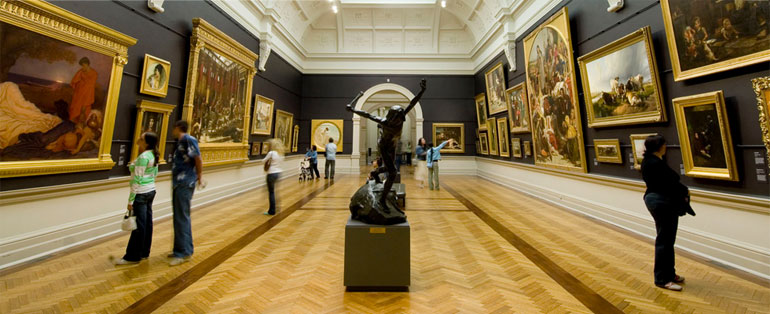
The Art Gallery of New South Wales has a collection of modern and contemporary art from Australia and around the world. Displayed in light filled space the Gallery also offers stunning views of the Harbour.  


Tours of the Gallery's permanent exhibits, exhibition talks, music, film and children's activities are all free. Entry fees (approx $10) apply for special exhibits such as the Archibald Prize exhibition.

With a cafe, restaurant and shop there's plenty to keep you busy and spend some money if you're inclined.

The Gallery is located on the eastern side of Sydney's CBD next to the Royal Botanical Gardens and the Domain.

Another option is the Museum of Contemporary Art where you'll see modern art in this recently redeveloped Museum.  Located at Circular Quay one of the most iconic location in Sydney, the Museum overlooks Sydney Harbour Bridge and the Sydney Opera House.


The MCA has a continually changing display of exhibits ensuring there is always something interesting to see. Volunteer guides provide free tours to assist you discovering the art and the artists. 

Special exhibits are at a cost of approx $20 per person.


Historic options

If history interests you  visit Government House which is located alongside the Botanical Gardens with stunning views of the Harbour and the Sydney Opera House. 

Built in the Gothic Revival style, Government House has predominately been the official residence of the Governor of NSW since 1845. It includes an outstanding collection of 19th and 20th century furnishings and decorations.


Government House

Open to the general public since 1996 the House can only be accessed via guided tour Friday to Sunday.

The Rocks Discovery Museum  tells the story of The Rocks area of Sydney from pre-European days to present.  The Museum is in a 1850's sandstone warehouse where you can see and experience a range of images and archaeological artefacts, interactive touch screens and audio visual displays.

Open from 10 a.m. to 5 p.m. everyday except for Good Friday and Christmas day you will find the Museum in Kendall Lane, The Rocks. 

ANZAC Memorial located on the southern edge of Hyde Park is the main commemorative military monument in Sydney. The building was designed by C Bruce Dellit and the exterior adorned with figural reliefs and sculptures by Rayner Hoff. 

Open every day 9 a.m. to 5 p.m.  except for Good Friday and Christmas day.


ANZAC Memorial

The Mint provides an insight into Australia's first coining factory and also houses the Caroline Simpson Library and Research Collection, a gift shop and cafe.

The Mint is located at 10 Macquarie Street Sydney and open Monday to Friday 9 a.m. to 5 p.m.


Gardens and Walking options

No visit to Sydney is worthwhile without visiting Circular Quay home to the Sydney Opera House and Sydney Harbour Bridge.


The Sydney Opera House


Sydney Harbour Bridge 


Indigenous music at Circular Quay 

Wandering around this area is free and you'll often find lots of buskers entertaining visitors.  There are also many cafes, restaurants and take away food options on both sides of Circular Quay.

You can also walk across the Sydney Harbour Bridge to the North shore and see this area from a different perspective. Walking across Sydney Harbour Bridge


The Botanical Gardens are certainly worth a visit. Located on the edge of Sydney Harbour the Gardens span 30 hectares and house an outstanding collection of plants from Australia and overseas.


Early morning on the edge of the Harbour and Botanical Gardens

I love to wander through this area whenever I visit Sydney and have time to explore. Many people also use the area to keep fit - walking or jogging and enjoying an amazing view along the way.


The Gardens include a range of feature gardens; herb gardens, rainforest walk, palm grove and  pioneer garden to name a few. 


A range of activities are also regularly on in the Gardens find out more 


Hyde Park Gardens is Australia's oldest park and host to many cultural events including the Sydney Festival, Australia Day, ANZAC Day and the Food and Wine Fair.

Much smaller than the Botanical Gardens the park is interesting as it features a central pedestrian walkway from Macquarie Street to the ANZAC Memorial.


Hyde Park Gardens

If you're interested in exploring further a field take a bus to Bondi or a ferry to Manly will allow you to experience some other interesting walks.

Bondi to Bronte walk

Manly and northern beaches walk


To assist in getting from one destination to another there is a free CBD bus shuttle that runs on a regular basis.